
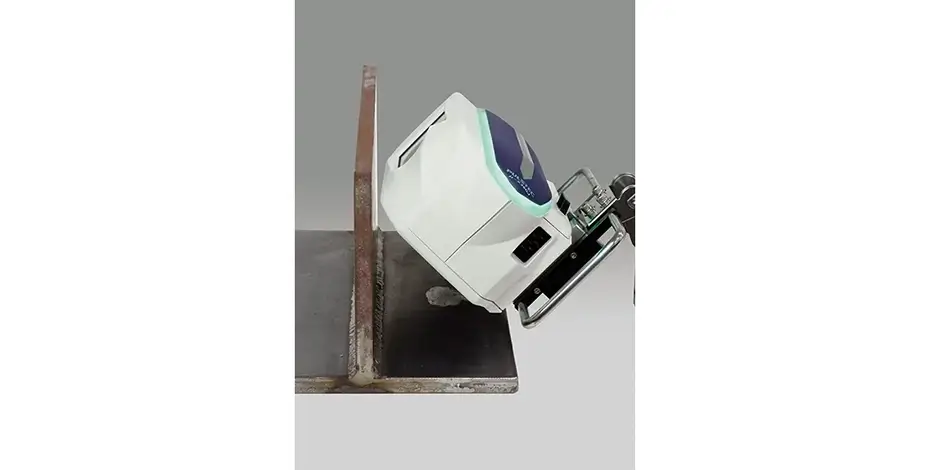
For many years, conventional XRD analyzers using the sin2𝜓 method were among the most common instruments for measuring residual stress and retained austenite in steel samples. A newer method, cosα, was discovered in the 1970s, but a 2D sensor wasn’t available at the time.
In 2010, Pulstec created the first commercial XRD analyzer, the μ-X360J, formerly known as μ-X360s. With this newer technology, manufacturers and research and development departments could capture the entire Debye-Scherrer ring in a single measurement.
Our goal when creating our XRD analyzer was to help manufacturers and R&D departments improve process efficiency by reducing preparation work and measurement time while still ensuring accuracy.
Why Pulstec’s Fast Measurements Made a Difference
One company contacted Pulstec because they were using a conventional sin2𝜓 XRD analyzer. While this method worked well for them for many years in measuring retained austenite, the volume of samples to be measured began to increase, and their old analyzer couldn’t handle that volume, slowing their process.
Depending on the sample they were measuring, their conventional XRD analyzer required mechanical tilting to collect the diffraction by means of a 0- or 1-dimension detector, and each new angle required recollecting the diffraction, also alignment is severe to keep the imagery centered.
Comparatively, Pulstec’s μ-X360J performs a single measurement by means of a two-dimensional detector without the need for mechanical tilting and recollecting. Instead of taking more than 20-30 minutes to collect the information needed to measure retained austenite, that time dropped to under 90 seconds per sample, increasing process speed dramatically, and allowing them to streamline their existing process to handle the change in sample volume.
Are You Dealing With a Similar Issue? Contact Pulstec Today
Do you need to speed up your process without sacrificing quality? Contact us today to learn more about our μ-X360J XRD analyzer—we offer free demos and sample measurements!