
Tensile residual stress accelerates stress corrosion cracking (SCC) and can distort machined parts. SCC is a concern in process piping, storage tanks, pressure vessels, rotating equipment, cranes, rails, and wheels. In-situ residual stress measurements can identify potential problems, helping maintenance departments prioritize monitoring and failure prevention efforts.
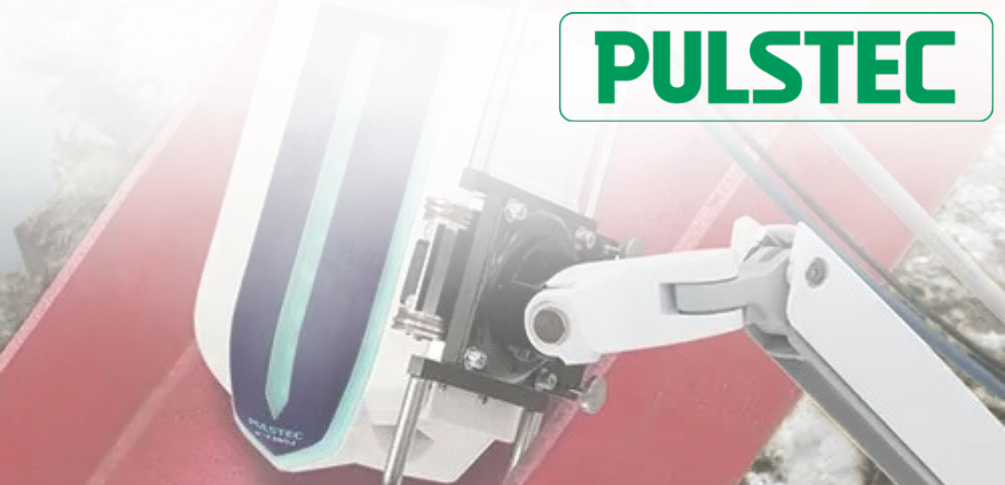
However, to be of value for plant maintenance, residual stress measurements must be non-destructive and allow for minimal interruptions. This is where Pulstec’s μ-X360J XRD analyzer can help. This device uses the cosα technique of X-ray diffraction, allowing operators to view the full Debye-Scherrer ring and providing greater accuracy in revealing and measuring the magnitude and direction of near-surface residual stress.
The μ-X360J has been successfully tested for use in in-situ and on-site residual stress measurements, is compact and portable, and produces results in only 40 seconds. Maintenance crews can take the analyzer out to the equipment that needs inspecting, set it up, and take measurements with little disruption to production operations.
We designed our new and improved XRD analyzer to help plants resolve these common maintenance challenges:
Table of Contents
Aging Infrastructure
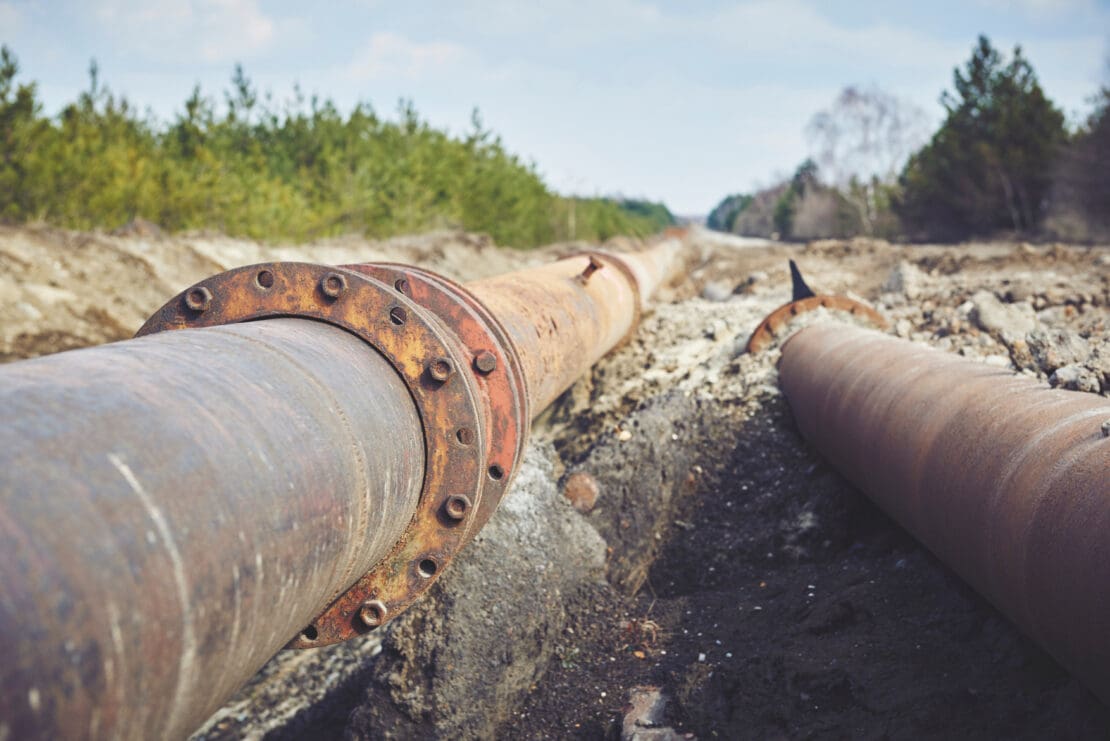
Around the country, bridges, tunnels, and dams are aging and require repairs to maintain public safety. On a smaller scale, the same is true for much of the industrial infrastructure installed in the 1960s, 70s, and 80s. Strategic maintenance and renewal are becoming increasingly urgent to avoid costly, disruptive, and possibly dangerous failures.
In-situ residual stress measurement enables faster identification and prioritization of maintenance needs and supports faster verification of material condition after repair or replacement.
More specifically, repair work often involves welding and weld reinforcement, which typically raises stress levels. This stress is often addressed through shot peening, shot blasting, or needle peening. However, residual stress measurements are the only way to know if target levels have been achieved.
Environmental Degradation
In chemical processing and power plants, equipment operates in high-temperature and/or high-pressure operating environments that accelerate fatigue and corrosion. Tensile residual stress, which contributes to SCC, is a significant factor in premature failures that cause costly damage and extensive production disruption.
Our μ-X360J residual stress analyzer can be used to perform on-site measurements both before and after repair work. Portable and easy to use, this system allows technicians to gather residual stress data quickly and with minimal impact on operations. This information then informs repair and replacement decisions and helps plants avoid unplanned downtime due to equipment failure.
Visual Inspection Limitations
Many plants rely on human visual inspection to determine when equipment needs repair or replacement. A major limitation of this approach is that judgment criteria vary between inspectors. One may assess a weld or key component as needing immediate replacement, while another will argue it has months or years of useful life remaining.
Additionally, with an aging workforce, there’s a growing challenge in transferring these expert-level skills to younger, less experienced workers.
A portable XRD residual stress analyzer, such as the μ-X360J, provides a solution to these problems. Designed for ease of use, the μ-X360J provides repeatable results that quantify residual stress levels, removing the subjectivity of human visual inspection and offering a tool that less experienced workers can quickly become comfortable using.
Non-Destructive Testing Limitations
Some industrial plant maintenance teams have explored other non-destructive testing technologies for assessing the condition of equipment in service. Magnetic flux leakage, ultrasonic testing, and acoustic emission each offer some capability but also have significant limitations.
Each of these technologies requires sensors matched to specific objects, and these sensors are susceptible to noise, which results in poor repeatability and accuracy.
Conventional X-ray using the sin2𝜓 was considered the golden standard of non-destructive testing, but it requires bulky equipment and extensive shielding. The conventional method also requires tilting the X-ray beam and reacquiring diffraction data, thereby increasing the total measurement time and risking severe misalignment. For these reasons, these types of XRD analyzers are usually installed in test laboratories and have sample size limitations. Additionally, inspecting the equipment would require cutting out samples, which changes the original shape and may cause stress relief.
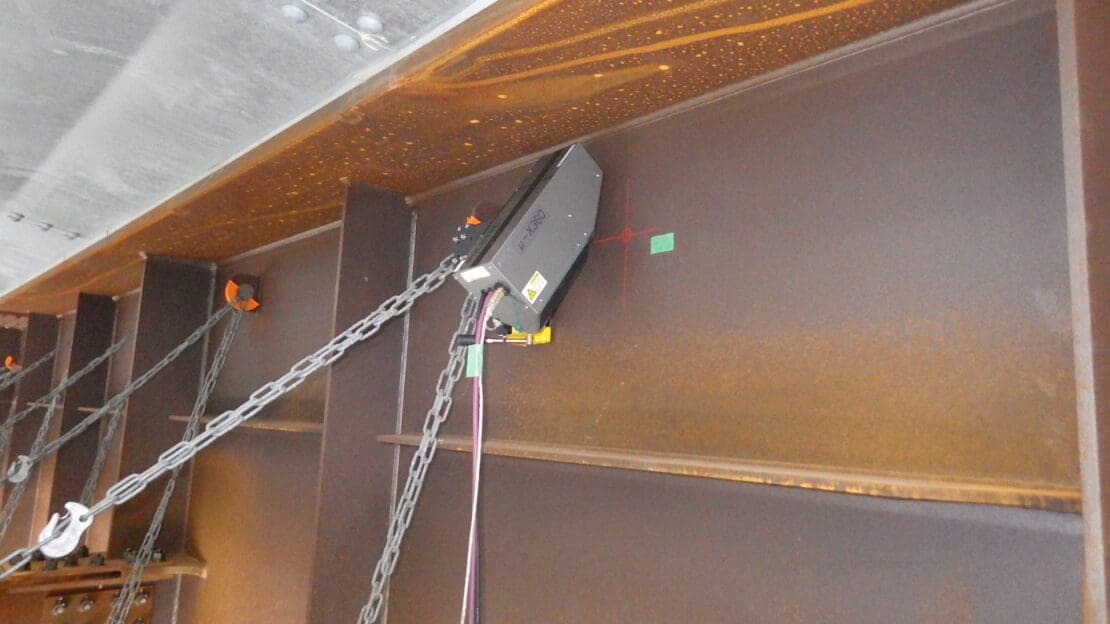
In comparison, our μ-X360J is portable, non-contact, non-destructive, and lightweight. It requires little training to use, and residual stress measurements can be obtained in as little as 40 seconds. We can also supply custom jigs to support on-site measurements.
Request a Free Demo Today
X-ray diffraction is a well-established technique for residual stress measurement. However, most equipment on the market is bulky and slow. At Pulstec, we took a different approach, using our optical and electronics expertise to develop the world’s smallest portable XRD analyzer. Intended for lab and on-site residual stress measurements, it uses the cosα method for imaging crystal lattice structures, enabling high-speed analysis and greater accuracy.
If you’re interested in learning more about how our μ-X360J analyzer can help improve predictive maintenance efforts, contact us today to request a free virtual demonstration.